
Pistol Offense for Youth Football: Igniting Young Dreams and Grit Under Friday Night Lights

Understanding the Pistol Offense for Youth Football
The pistol offense is gaining popularity on youth football fields. It blends power and creativity, making each snap an opportunity for big moments and growth.
Origins and Evolution
The pistol offense comes from a tradition of coaches and players seeking an edge. They wanted an offense that offers both fast-paced and power running.
The formation first gained momentum in college football in the early 2000s, thanks to Nevada’s Coach Chris Ault. He designed it as a hybrid between the shotgun and traditional under-center sets.
The pistol helps quarterbacks see the field, lets running backs hit the hole with speed, and allows offenses to hide their intentions. Coaches in youth leagues now use it to help young players develop skills while staying competitive.
You can read more about how the pistol blends different styles in this pistol formation coaching guide.
Key Features of the Formation
The pistol puts the quarterback about four yards behind center, with the running back a few steps deeper. This small shift changes the offense.
Your team can threaten every part of the field—with passing, outside runs, or running up the middle. The defense struggles to predict what’s next.
Key features include:
- Balanced attack: Run or pass from the same look, making it hard for the defense to guess.
- Downhill running: The running back gets the ball deep and hits the line with speed.
- Passing flexibility: The quarterback can read the defense and throw short or deep.
- Hides intentions: Every snap keeps your opponent guessing.
For more on the unique threat of the pistol’s power series, check out this breakdown on downhill running and attacking the defense.
Why the Pistol Offense Fits Youth Players
The pistol offense channels young players’ energy into an attack that feels simple but opens many options. Youth players don’t have endless hours to learn complex schemes, so the pistol keeps their jobs clear and their chances wide.
- Teaches fundamentals: Quarterbacks learn to handle the ball, read defenses, and make decisions.
- Builds confidence: Running backs trust their blocks and receivers have space to get open.
- Team-first mindset: The formation lets every position shine, showing that everyone matters.
Youth players feel like they’re running a real offense—one used by champions. For a closer look at the creativity and flexibility this gives you, check out this youth pistol offense playbook.
Core Principles and Philosophy
In youth football, the pistol offense is more than a formation. It teaches balance, creativity, and the deeper lessons of the game.
The pistol gives you a chance to read the field, play smart, and grow as an athlete and teammate.
Balancing Run and Pass
Your team’s energy changes when you line up in the pistol. The running back stands about four yards behind the quarterback, who is a few steps off the line.
This setup unlocks a playbook full of possibilities. With a strong run-pass balance, you keep defenses honest.
When you sell a run, linebackers step forward. Slip a pass behind them, and the offense finds space.
Coaches love the pistol because it gives young players real responsibility. Quarterbacks read defenses and decide when to hand off or throw.
On those September evenings, you learn to trust your teammates. Everyone moves together for the same goal—the first down, the touchdown, and the memory.
If you want to learn more about the pistol’s philosophy, check out Coach Dave Brown’s thoughts on the pistol philosophy.
Spacing and Misdirection
A great pistol offense uses every step and fake with purpose. Spacing is about making every yard count.
Receivers and running backs get enough room to work, but not so much that the play falls apart. Misdirection is the secret weapon.
A quarterback shows run, then throws a quick slant. A running back fakes left, but the real play goes right.
Young players learn that football is about smart moves, not just force. Each fake and handoff can shift the defense and open new chances.
For more about the pistol’s benefits and philosophy, Coaches Choice offers an overview of the pistol offense.
Developing Football IQ in Young Athletes
Running a pistol offense helps youth players grow their football mind. Coaches teach you why, not just what to do.
You learn to read safeties, watch linebackers, and call audibles. Mistakes happen, and that’s where learning begins.
Each snap is a new problem to solve. You see how every part of the play fits together.
When you read coverages or recognize blitzes, you become a smarter player and a better leader. The pistol offense gives you the chance to understand the game deeply.
Essential Roles and Player Responsibilities
A good pistol offense works when each player knows their job and sacrifices for the team. Every role shapes the attack, unlocking space and creating moments kids remember.
Quarterback Duties in the Pistol
In the pistol, you stand four yards behind the center, ready to attack with run and pass. Your eyes scan the defense before the snap.
Leadership starts with your voice—loud and clear—so teammates trust you. Your job is to make the right read, knowing when to hand off or keep it, and keeping the defense honest with play fakes or quick passes.
Ball security is key; dropped snaps or fumbles hurt momentum. Command the huddle, encourage your teammates, and believe you can make a play when needed.
Running Back Vision and Patience
As a running back in the pistol, you line up behind the quarterback, using extra depth to see the play develop. Start with patience—let your offensive line do its work.
You need great vision to find the right hole. Make one cut and explode, but bounce outside if the defense crowds the middle.
Hold onto the football—no run is worth a fumble. Finish runs with strength, and thank your linemen for their blocks.
Offensive Line Fundamentals
You are the engine of the offense, even if your name isn’t called. In the pistol, you block both power and zone schemes.
Move your feet quickly off the snap and get your hands inside on your assignment. Assignment discipline is your backbone—one missed block can ruin the play.
Work together: communicate pre-snap, call out defenders, and adjust when blitzes come. Drive your legs through contact and don’t stop until the whistle.
A strong line helps the backs read and react, giving your offense control.
Wide Receiver Alignment and Blocking
Your job is more than catching passes. Your alignment matters—split wide to stretch the defense, but close enough to help block on sweeps or screens.
Quick feet and sharp breaks get you open. Blocking is where receivers show grit.
Get hands inside, stay low, and mirror your defender. Finish every block, even if you never touch the ball.
Compete with pride, because effort often leads to big plays.
Installing the Pistol Offense at the Youth Level
Stepping onto the practice field with young players shapes more than just a playbook. For most kids, this is where friendships form and lessons stick.
When you install the pistol offense, you give your team a system that builds confidence, rhythm, and possibilities.
Step-by-Step Implementation
Getting the pistol offense started at the youth level is about clarity, patience, and excitement. Start simple.
In your first practice, walk through the basic pistol formation: quarterback four yards behind the center, running back directly behind the QB. Visual demonstrations and walk-throughs help young players learn with their eyes and feet.
Use a whiteboard or chalk talks before hitting the field to map out responsibilities. Keep the number of plays low—maybe one run and one pass—so players stay focused.
Break into groups: linemen practice blocking footwork, backs run mesh points, and receivers work quick routes. Celebrate small wins, like a crisp handoff or a clean snap.
Check out the Pistol Offense Playbook for Youth Football for sample plays and practice schedules.
Learning Curve for Young Players
There will be bumps, fumbled snaps, and kids standing in the wrong spot. That’s part of learning.
The pistol offense asks kids to learn new spacing and timing, so move at their pace. Early mistakes are teaching moments.
Encourage questions, even simple ones. Praise effort when players line up quickly or make the right read.
Use short, focused drills to build muscle memory, like practicing the quarterback’s snap and first read until it’s natural.
For many, the pistol formation is less familiar than the I-formation, so give kids time. Use basic terminology and reinforce the same ideas in every meeting.
Building Team Chemistry
Running the pistol offense is about trust. The quarterback relies on the center for a clean snap, and the running back needs to know the QB’s rhythm.
Run drills that demand teamwork. Offensive linemen call out assignments together; backs run mesh drills with the quarterback; receivers echo the snap count.
Encourage off-the-field bonding. Potlucks, film sessions, or hanging out after practice help players see each other as teammates.
| Drill | Focus | Players Involved |
|---|---|---|
| Snap and Handoff | Timing and Exchange | QB, RB, Center |
| Mesh Point Practice | QB/RB Communication | QB, RB |
| Group Audible Drills | Team Communication | Full Offense |
Adjusting for Varying Skill Levels
Every team has different talents and experience. Some kids pick up new formations fast, others need more time.
In the pistol offense, tailor your approach to each player’s strengths. For beginners, use simple calls, clear signals, and straightforward routes.
Rotate players through multiple positions in practice. For your natural leaders, give them small challenges like reading a defense.
Pair beginners with experienced teammates in drills. Patience matters.
Success comes in small gains, not just touchdowns. Sometimes, the player who struggled in August is reading defenses by October.
For more guidance, check out beginner-friendly resources like the Youth Pistol Wing-T Installation & Practice Drills.
Signature Plays and Playbook Building
Before kickoff, the locker room buzzes with excitement. The pistol offense lets you build an identity.
The right playbook makes the most of your roster, builds trust, and creates a style based on hard-earned yards and memories.
Inside and Outside Zone Runs
Line up and glance at your linemen. The inside zone gives you a chance for tough, close battles.
The back picks a lane behind double teams or bounces outside if a crease opens. Outside zone runs stretch defenses, making them chase you sideline to sideline.
Running backs look for the cutback lane, trusting blocks to develop. Timing is everything—one wrong step, and defenders swarm.
Key elements:
- Adaptability: The O-line blocks areas, not just men.
- Vision: The running back uses his eyes to become a playmaker.
- Cohesion: Every player works in sync.
When you mix inside and outside zones, defenses start guessing.
Read Option Concepts
The read option relies on trust between quarterback and running back. At the snap, the quarterback reads a key defender.
If the end crashes in, the quarterback keeps the ball and runs outside. If not, he hands it off to the back.
Quick decisions are key. Young players enjoy this play because it lets them use their athleticism.
Celebrate the right process, not just the right outcome.
Quick Pass Game
The quick pass game in the pistol uses spacing and gets the ball to playmakers fast. Use short throws—slants, hitches, outs.
Quarterbacks throw quickly, and receivers make plays in the open field. This helps:
- Neutralize bigger, faster defenses.
- Build trust with young quarterbacks.
- Give receivers a chance to settle in.
A good quick pass game gets everyone involved and builds rhythm.
Play-Action Variations
Play-action in the pistol turns defensive aggression against them. Fake the handoff, make the defense bite, and buy time for receivers.
Let your tight end slip behind coverage or your best athlete make a big play. These concepts work best when teams fear your run.
You tell a story with every snap, making the defense guess. Great offenses use play-action to create lasting memories.
Find playbook ideas with diagrams at this Pistol Offense Playbook for Youth Football.
Coaching Tips for Maximizing Performance
Teaching youth football means more than drawing up plays. You shape young athletes by making the game simple and building strong habits.
Simplifying Language and Signals
Clear communication is everything. Use short, simple terms—like “Laser” for left, “Rocket” for right.
Use hand signals that are easy to spot and remember, such as a raised fist or pointed finger.
| Command | Meaning | Signal |
|---|---|---|
| “Go” | Snap the ball | Slap thigh |
| “Laser” | Go left | Left arm out |
| “Rocket” | Go right | Right arm out |
| “Check” | Change play | Tap helmet |
Go over signals every practice and test players during scrimmages. When kids know what to listen for, they play fast and confident.
Emphasizing Fundamentals
Wins in youth football start with basics. The pistol offense looks fancy but depends on blocking, snapping, and carrying the ball.
Make every drill count. Teach snapping from the pistol until your center can do it naturally.
Show quarterbacks how to set their feet and read the defense. Run blocking drills that reward effort and teamwork.
Set clear goals for each position group. Linemen keep pads low and finish blocks. Backs hit holes with eyes up and two hands on the ball.
Repetition builds muscle memory and confidence.
Teaching Through Mistakes
Football is a game of errors and recovery. In the pistol offense, mistakes happen—bad snaps, missed reads, blown assignments.
Handle these moments by asking, “What did you see? What could you try next time?” Let players talk through their choices.
A missed block or fumbled snap can be the best teacher. Celebrate when a player corrects a mistake and tries again.
Mistakes aren’t failures if they build resilience. Kids learn that setbacks are setups for comebacks.
For more about coaching youth football, review guides at Youth Football Online.
Game Day Execution and Adjustments
Game day brings intensity and energy. Managing the pistol offense depends on staying sharp, trusting preparation, and adapting when needed.
Pre-Game Walkthroughs
Walking through your script before kickoff is about more than memorizing plays. You build muscle memory and visualize your first drive.
Before each game, follow a routine:
- Review alignments for every skill player
- Take practice snaps with the center and quarterback
- Walk through the first ten plays at half speed
- Run the main checks and audibles for the opponent
A focused walkthrough reduces nerves. It lets players see and feel what success looks like.
Details matter—reading linebackers’ eyes, feeling pressure, and knowing where your checkdown is. You build calm before the storm.
Making In-Game Changes
Sometimes your plans run into a wall. The defense may play tighter than expected, or your running back finds no room.
On the sideline, watch the game closely. If safeties play close, take shots downfield or use quick screens.
If the defense overloads one side, shift your strength or use motion to create mismatches. Trust your teammates to notice small details.
Share real-time feedback to unlock changes that can flip the outcome. In youth football, a simple formation shift or quick tempo can change the game.
It’s about being smart and fearless in key moments.
Encouraging Player Leadership
In the pistol, the quarterback leads on the field. Leadership is about picking up teammates after mistakes.
A team rallies around players who keep energy up in the huddle. Encourage kids to call out what they see—like soft coverage or cutback lanes.
Let your quarterback make audible checks, and teach every starter to echo calls and keep spirits high.
The best teams make every player feel valued. When everyone leads, the whole offense plays better.
Common Challenges and How to Overcome Them
Every snap in the pistol offense brings lessons. You’ll face tight defenses, the need for discipline, and the challenge of fatigue.
Solving these challenges shapes who you are on and off the field.
Handling Defensive Pressure
Some days, the other team seems to know what’s coming. Defenders crowd the line and blitz hard.
Teach your quarterbacks to spot blitzes pre-snap. Build in quick passes, screens, or draws to punish aggressive defenses.
Use drills that simulate live pressure. Make adjusting blocking assignments second nature.
If kids feel pressure, give them tools to respond. Staying calm is a skill that grows with practice.
For ideas on defending and adjusting, check out defending the pistol spread.
Staying Disciplined in Execution
Football is about winning key downs, and that starts with discipline. In the pistol, every handoff, fake, and step matters.
Hold players accountable for the details. Take pride in crisp footwork, sharp cuts, and strong ball security.
Repetition helps. Walk through plays at half speed before speeding up.
Correct mistakes early and praise good fundamentals. Consistency builds confidence.
Learn about the mechanics and benefits of the pistol for youth to strengthen execution.
Managing Fatigue and Focus
Late in the game, small mistakes can hurt. The pistol can be fast and demanding, especially with no-huddle.
Build stamina with conditioning and drills that mimic game situations. Leaders should look out for teammates who are tired.
Teach players to reset between plays—a deep breath, a quick huddle, or a word of encouragement. Remind them that the best moments come when you dig deep in the fourth quarter.
For insights on up-tempo challenges, explore the no-huddle power pistol offense at youth level.
Lessons Beyond the Field
When you step into the huddle, you learn real teamwork. No play in the pistol offense works if players focus only on themselves.
You have to trust your line, your backs, and your coach. That trust lasts beyond the game.
Mistakes are part of football. Maybe you fumble a snap or miss a block.
The best players bounce back, shrug off the mud, and line up again. That’s a mindset you take everywhere.
Here’s what youth football can teach you:
| Lesson | How It Shows Up On the Field | How It Lasts In Life |
|---|---|---|
| Resilience | Recovering from losses | Standing up after setbacks |
| Leadership | Calling plays under pressure | Speaking up for what’s right |
| Discipline | Running drills every day | Creating healthy habits |
| Empathy | Helping teammates who struggle | Supporting friends and family |
You feel pride not just in wins, but in how you played. When you pick up your teammate after a tough loss, you build character.
Respecting opponents helps you grow in ways a scoreboard can’t measure. Football is more than a game.
Each snap, cheer, and handshake teaches you something bigger. The field is just the beginning.
Frequently Asked Questions
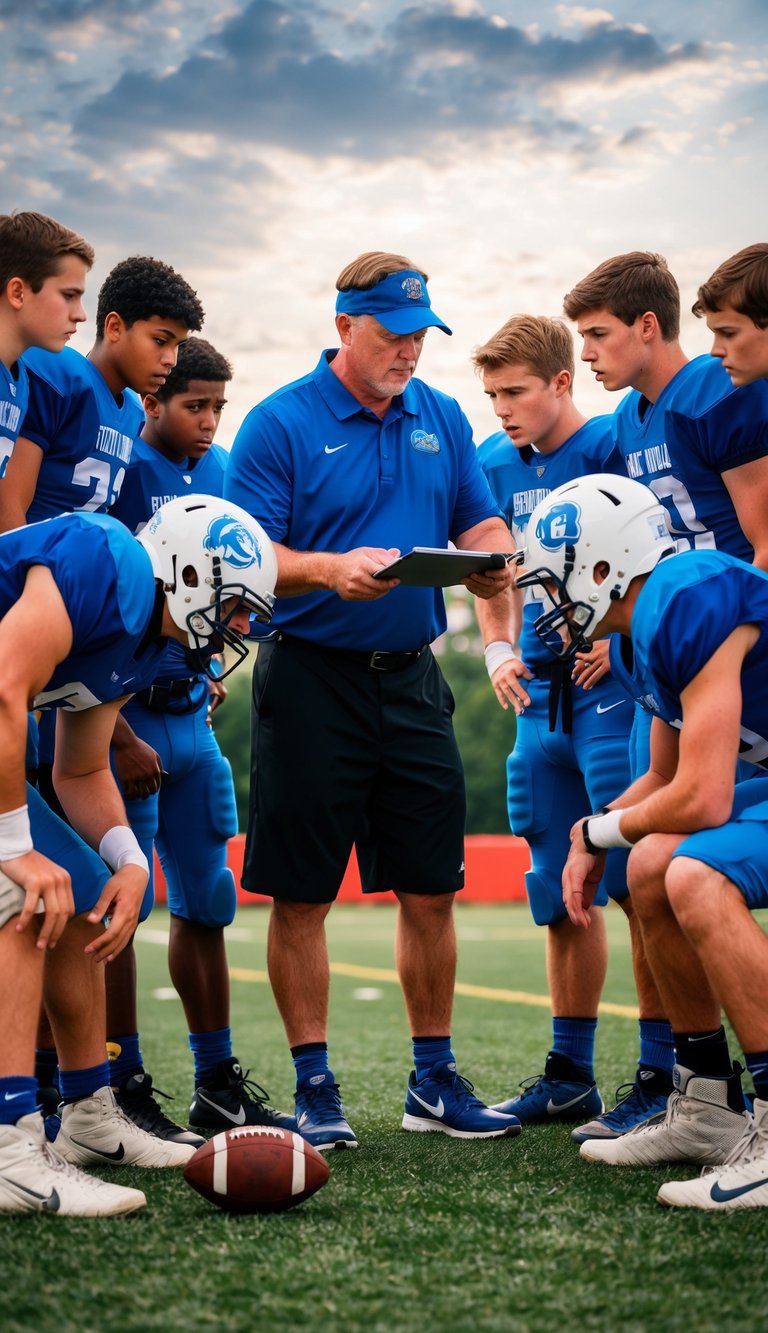
The pistol offense has changed youth football, giving new life to the ground game and opening doors for young quarterbacks. It combines tradition with new ideas, making the game exciting for players and coaches.
What are the key advantages of running a pistol offense in youth football?
The pistol offense blends power running with option plays that keep the defense guessing. The back lines up behind the quarterback, letting you strike fast or slow the game as needed.
This spread look creates space, helping young players find running lanes and read the field. Teams can use their athletes’ strengths and keep defenses honest.
How can coaches effectively teach young athletes the pistol formation fundamentals?
Start each session with clear explanations and hands-on walkthroughs. Show players how to line up, where to put their feet, and how to hold their stances.
Drills that break down the snap, footwork, and mesh point give quarterbacks and running backs confidence. Encourage questions—kids learn best when they see you care.
What are the most successful pistol offense plays for a youth football team?
Simple works best. Start with inside zone runs and quick counters to open up the middle.
Add read-options and short play-action passes to keep your offense unpredictable but simple. A slant, a quick dive, and an option sweep out of the pistol force the defense to cover the whole field.
How does the pistol formation enhance a quarterback’s vision and decision-making on the field?
The pistol lines up the quarterback just behind the line, letting them see the play develop while staying close to the action.
This extra vision helps quarterbacks spot holes, read defenders, and adjust quickly. Young QBs get more room under pressure and more time to make smart choices.
What drills can improve execution of the pistol offense in youth football practices?
Mesh-point drills build trust between quarterback and running back. Practice quick handoffs and fakes until they feel natural.
Shuttle runs and cone drills sharpen footwork. Mix in play-action passes to teach every position the value of selling the fake.
How can incorporating a fullback into the pistol formation benefit a youth football team’s strategy?
Adding a fullback to the pistol opens up your playbook. The fullback can block, leak out as a receiver, or carry the ball on quick dives.
This adds grit and spacing. Defenses must respect both the power up the middle and the quick strike on the edge.
You give your team more ways to shine and more parts of the field to attack, as seen in some guides on the youth football pistol formation.