
What Is a Touchback in Football: Where Strategy Meets Second Chances on the Gridiron

Defining a Touchback in Football
In football, small details can swing momentum and change field position. One of those moments—the touchback—turns the tide quietly, but its impact is felt by every player and fan during those tense seconds when the ball hangs in the air.
Basic Touchback Scenario
Picture this: the opposing kicker launches the ball deep on a kickoff, and your teammate in the end zone has a choice. Does he run, risking a tackle, or kneel and bring calm but sacrifice some yards?
When the ball sails into or is caught in your own end zone and no attempt is made to advance it—like taking a knee or letting it bounce out—it becomes a touchback. A touchback usually happens when the ball is dead behind a team’s goal line, and the other team last touched it or gave it momentum.
Kickoffs, punts, or turnovers that end up untouched or downed in your end zone all fall into this category. Choosing a touchback can save wear and tear and prevent unnecessary risks.
How Field Position Is Determined
When your team gets a touchback, the next play starts at a specific spot on the field. In the NFL, after a touchback on a kickoff, the ball is placed at your own 25-yard line.
If the touchback happens on a play from scrimmage, like a punt or interception, the offense typically starts at the 20-yard line. Here’s a quick table for easy reference:
| Type of Play | New Starting Yard Line |
|---|---|
| Kickoff Touchback | 25-yard line |
| Punt/Turnover | 20-yard line |
You know your offense is guaranteed a fresh start and a chance to move forward. For more about rulings and scenarios, see the detailed explanation of touchbacks in the NFL.
Touchbacks in Different Types of Football
Rules around touchbacks can change the entire momentum of a game. Whether you’re watching pros or college players, every yard and every whistle matters.
NFL Touchback Rules
In the NFL, a touchback often starts with a booming kick or a heads-up play by a returner. When the ball travels into the end zone on a kickoff or a punt and isn’t brought out, the receiving team gets the ball at their own 25-yard line after a kickoff and at the 20-yard line after a punt or turnover.
The rule also covers fumbles and interceptions. If you recover the ball in your end zone and never try to run it out, it’s a touchback too.
The change in kickoff spot to the 25 was made to protect players and cut down on high-speed collisions. Every decision and every place the ball is spotted is about giving athletes a fighting chance while keeping the spirit of the game alive.
College Football Touchback Rules
In college football, the touchback has its own twist. After most kickoffs that become touchbacks, your team starts at the 25-yard line, just like in the NFL.
Since 2018, the NCAA allows a fair catch anywhere between the goal line and the 25-yard line on a kickoff to bring the ball out to the 25. For a freshman returner, it’s a lifeline.
Punts and turnovers are more traditional—touchback means the 20-yard line for your offense. These rules are designed to keep the game safe while still honoring the battles for field position. For more on the specifics, check out the college football touchback rules.
Common Situations That Lead to a Touchback
Every football field has seen moments when the action slows and play resets with a touchback. These rulings often come after explosive kicks or tense special teams plays.
Kickoffs and Touchbacks
You feel it—the thud of the kickoff echoes through the stadium, the ball sailing high and far. On most Sundays now, rules encourage kickers to boot it deep into the end zone.
If the ball lands in the end zone and isn’t brought out, it’s a touchback. Sometimes the returner will signal for a fair catch or take a knee in the end zone.
A touchback on a kickoff means your offense takes over at the 25-yard line. This change keeps players safe by limiting high-speed collisions.
Key moments that spark a touchback on a kickoff:
- The ball lands or goes out the back of the end zone
- The returner signals for a fair catch in the end zone
- The player takes a knee in the end zone
You can learn more about these rules at Wikipedia’s page on touchbacks.
Punts Resulting in Touchbacks
When your special teams unit lines up for a punt, precision is everything. If the punted ball crosses the goal line and lands in the end zone—untouched or when the coverage team can’t keep it out—that’s a touchback.
You’re aiming to land the ball close to the goal line, maybe trap the returner inside the 10. But if the ball sneaks in or a teammate touches it before jumping back, your opponent starts at their own 20-yard line.
Key scenarios for touchbacks on punts include:
- The ball landing in or bouncing through the end zone untouched
- The punt coverage team failing to bat it back before crossing the goal line
A touchback on a punt resets the field and makes every yard count. For more details, visit this guide on football touchback rules.
Strategic Significance of Touchbacks
When the whistle blows for a touchback, you might not see the crowd erupt, but that moment shapes games in ways box scores can’t show. Field position shifts, and coaches weigh risks and rewards with every decision.
Impact on Field Position Strategy
Taking a knee in the end zone can rewrite a team’s fortunes. By forcing a touchback, you lock the other team into starting at the 25-yard line after a kickoff.
For the kicking team, touchbacks are a defensive shield. You’re making sure momentum doesn’t swing with a long return.
Some coaches tell their kickers to aim deep for touchbacks every time, valuing steady field position over gambling for a turnover. Touchbacks are a way to neutralize dangerous returns and keep the game within reach.
Coaches’ Decision-Making Process
Every coach stands on the sideline, weighing when to chase risk and when to settle for security. The touchback sits at the heart of these choices.
Should you let your kicker go for the end zone or try to pin the other team closer to their goal line? That’s a puzzle with no easy answer.
A chart like this often runs through their minds:
| Kick Style | Risk | Reward |
|---|---|---|
| Kick deep for touchback | Little risk | Limits big returns |
| Short/high kick | Chance of long run | Possibility to trap deep |
| Directional kick | Moderate | Forces tough return angle |
Some coaches trust their coverage unit, aiming for a short kick that falls just before the goal line. Others want no surprises, preferring a touchback every time.
In the end, coaching philosophy, player talent, and the moment’s pressure guide every call.
Touchbacks and Player Safety
When you stand on the turf, waiting for the whistle, you know football is a collision sport. Touchbacks have changed the game to protect you and your teammates.
Rule Changes to Protect Athletes
Over the years, the league has worked to limit dangerous plays on kickoffs and punts. Now, the ball is placed on the 25 or 30-yard line after a touchback instead of letting returners sprint into coverage teams.
Kickers now boot the ball deep to force the touchback and limit chaos. Fewer high-speed returns mean fewer violent collisions.
The rules for touchbacks continue to evolve, always focused on safety. Each tweak reminds you that health comes first and that a safer game still has plenty of drama.
The Human Cost of High-Speed Plays
You don’t forget the sound of pads clashing in the open field. Every special teams play is a gamble—a dash of courage and a risk for injury.
Kickoff and punt returns are some of the most dangerous moments in football because of the speed and angles at play. When a young player takes a blindside hit or stays down too long, it shakes everyone on the sideline.
Those crashes change lives and sometimes end careers. Coaches, trainers, and fans know that with each touchback, another violent return is avoided.
Famous Touchback Moments in Football History
A touchback can flip a game on its head. Some touchbacks are remembered not for what they give, but for what they take away.
Game-Changing Touchbacks
You never forget the kind of touchback that silences a stadium. In the 2017 NFL playoffs, the Atlanta Falcons were driving hard when their star receiver lost the ball at the goal line.
The defense watched it roll through the end zone, and the play was ruled a touchback. The opposing team walked away with both the ball and the hope.
Another moment from college football: fumbles at the pylon can haunt a player’s career. A wide-open run, the end zone in sight, and suddenly the ball squirts loose, crossing into the end zone and out of bounds.
That rule—sometimes explained here—takes what felt like destiny and hands it to your opponent. Fans, coaches, and players remember these split-second shifts.
Lessons Learned from Key Plays
Touchbacks are more than stats and highlights. For every player, they’re reminders that every detail counts.
Coaches always say: “Hold on with two hands, especially near the goal line.” One moment of carelessness can cost your team everything.
You watch those moments back and see the heartbreak. But you also see great players get up, own their mistakes, and come back stronger.
From locker room pep talks to off-season drills, touchbacks are teaching moments that live on.
Touchbacks and Special Teams Culture
You step onto the field for special teams, and every detail feels charged with purpose. A simple play like a touchback can spark memories and shape the rhythm of a game.
A touchback on a kickoff or punt is more than a rule; it reflects your team’s strategy and trust in your unit. When the football lands deep in the end zone and you watch the return man take a knee, you feel the crowd’s pause.
For the receiving team, a touchback is a reset, setting the offense up at the 25-yard line. Touchbacks on kickoffs used to start at the 20, but in recent years the NFL changed it to the 25 to encourage more touchbacks and protect players.
Special teams is where guys fight for roster spots. Players who shine here know that one moment can grab a coach’s attention.
Why do touchbacks matter so much in special teams culture?
- They protect player health by limiting dangerous returns.
- They show how much faith a coach has in both his returners and coverage guys.
- They shape the mindset of every athlete who lines up, whether blocking, tackling, or waiting for their chance.
A touchback seems small, but in the world of special teams, there are no small moments.
Frequently Asked Questions
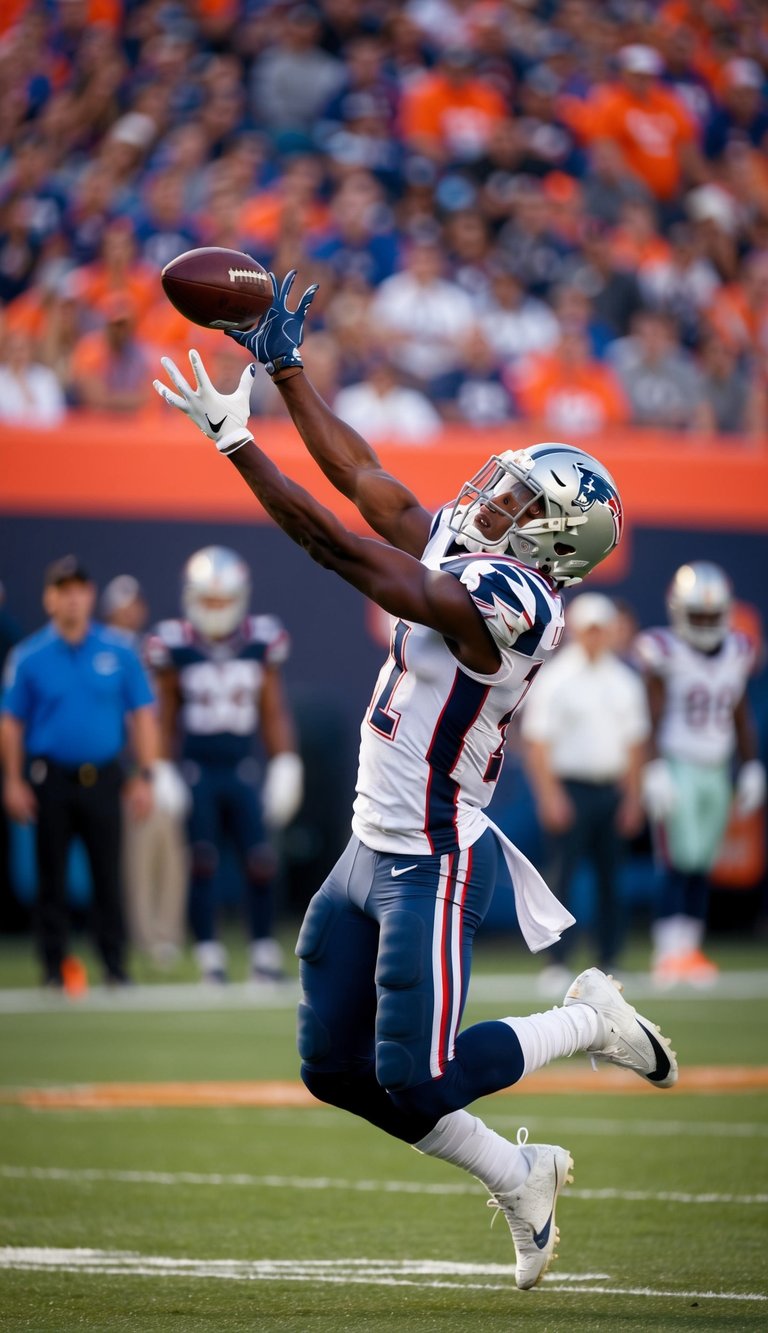
Football is packed with moments that can turn in seconds—touchbacks are one of those. When the whistle blows and you see the ref’s raised arms, it can mean a fresh start or a change in momentum.
How does a touchback differ from a safety in football?
A touchback means the ball comes out to a new spot, and nobody scores. A safety gives two points to the defense and swings momentum.
A safety happens when your team is tackled with the ball in your own end zone. A touchback is just the ball crossing the goal line uncontested or by rule.
What are the implications of a touchback during a football game?
Touchbacks mean your offense starts at a specific spot, usually the 25-yard line after a kickoff or the 20 after a punt. That gives your team a fair shake.
For the kicking team, a touchback means they skip the drama of covering a return and avoid big plays.
Can you explain the touchback rules in college football?
In college, a kickoff landing in the end zone untouched is a touchback—the ball goes out to the 25-yard line. If a player catches it and downs it in the end zone, that’s a touchback, too.
Punts are different, with touchbacks putting the ball at the 20. Fair catches on kickoffs inside the 25 also come out to the 25-yard line.
How many points is a touchback worth in football?
A touchback brings no points for either team. It simply sets the ball at a new spot for the offense to start.
It can feel like a small victory for the return team, but the scoreboard doesn’t change.
What was the recent change to the NFL touchback kick-off position?
A few years back, the NFL moved the touchback start line on kickoffs from the 20-yard line to the 25. The reason: safety.
It encourages more touchbacks and fewer major collisions on returns. Since then, more players let the ball go out the back or take a knee.
You can read about the shift at Ecosports’ dive on touchback rules.
Under what circumstances does a touchback occur in a football game?
A touchback happens when the ball is kicked or punted into the end zone and is not returned, or when a player downs the ball in the end zone after a kickoff. Interceptions or fumbles where the ball ends up in the defender’s end zone untouched can also be touchbacks.
If you’ve seen a player calmly kneel with the ball in the end zone after a booming kick, you’ve just watched a touchback unfold. To learn more, check out this explanation at Ecosports.