
Crack the Code: Star Defense in College Football!
The star defense strategy in college football is a game-changer. You’ve probably seen it in action without even realizing it. This defensive setup uses a hybrid player who can tackle, cover, and rush the passer. The star defender brings flexibility to the defense, allowing teams to adapt quickly to different offensive formations without substituting players.

The star position is key to this defense. It’s often filled by a player who’s part safety, part linebacker. This player lines up close to the line of scrimmage and can drop into coverage or blitz depending on the play. The star goes to the passing strength of the formation, giving the defense an edge against both run and pass plays.
Using the star defense comes with both benefits and risks. It can confuse offenses and create mismatches. But it also requires a special kind of athlete who can handle multiple roles. When it works, it’s a thing of beauty. When it doesn’t, it can leave gaps that offenses can exploit.
Key Takeaways
- The star defense uses a versatile player who can tackle, cover, and rush the passer
- This strategy allows quick adaptation to offensive changes without substitutions
- Success depends on finding the right athlete who can handle multiple roles effectively
Fundamentals of Star Defense
The star defense is a game-changing strategy that revolutionized college football. It blends flexibility with specialized roles to create a dynamic defensive system. Let’s dive into its core elements.

Origins and Evolution
The star defense emerged as coaches sought ways to counter spread offenses. It’s a hybrid of the nickel package and traditional 4-3 defense. You’ll find its roots in the early 2000s when teams needed more speed on the field.
Ellis Johnson at Mississippi State was one of the pioneers who helped popularize this defense. The star defense evolved to combat the rise of no-huddle offenses and mobile quarterbacks.
As offenses became more complex, the star defense adapted. It now allows defenses to seamlessly switch between man and zone coverages without substituting players.
Positional Roles and Responsibilities
In the star defense, you’ll see a unique lineup that includes:
- Four defensive linemen
- Two linebackers
- Five defensive backs
The key player is the “star” – a hybrid safety/linebacker. This player must be versatile enough to cover receivers, support run defense, and blitz effectively.
Your cornerbacks need to excel in man coverage. Safeties must read plays quickly and provide support over the top. Linebackers focus on stopping the run and short passing games.
The defensive line’s job is to create pressure and disrupt the backfield. Each player must understand their role and how it fits into the larger scheme.
Formation and Alignment
In a star defense, you’ll typically see a 4-2-5 formation. The four defensive linemen line up in a standard front. Two linebackers position themselves behind the line, ready to react to run or pass.
The star player aligns to the strong side of the offense, often in the slot. This allows quick adjustments to offensive formations. Your two safeties play deep, providing coverage help and run support.
Cornerbacks in man-to-man coverage are crucial to this defense’s success. They must excel in press coverage and have the speed to keep up with receivers.
The beauty of this alignment is its flexibility. You can easily shift to different coverages or blitz packages without changing personnel.
Implementing the Star Defense
The Star defense brings a unique blend of speed and flexibility to the field. You’ll find it’s a game-changer when executed properly, but it requires careful planning and the right personnel.
Key Plays and Tactics
In the Star defense, you’ll rely heavily on your Star player’s versatility. This hybrid safety/linebacker is your Swiss Army knife. You’ll want to use them for blitzing, run support, and pass coverage. One key tactic is the delayed blitz. Send your Star in after a beat to catch the offense off guard.
Zone blitzes are another staple. You’ll drop linemen into coverage while bringing heat from unexpected angles. This keeps quarterbacks guessing and can lead to big plays.
Don’t forget about disguising your coverages. Your Star’s ability to play multiple roles lets you show one look pre-snap and shift to another post-snap.
Player Selection Criteria
Picking the right Star is crucial. You’re looking for a special athlete. They need to be quick enough to cover receivers but strong enough to take on blockers.
Look for players with:
- High football IQ
- Excellent tackling skills
- Speed to cover ground quickly
- Strength to shed blocks
- Good ball skills
Your Star should be able to read offenses and adjust on the fly. They’re often making split-second decisions that can make or break a play.
Size isn’t everything, but your Star should be big enough to handle the physical demands of the position. Think safety size with linebacker toughness.
Practice and Drills
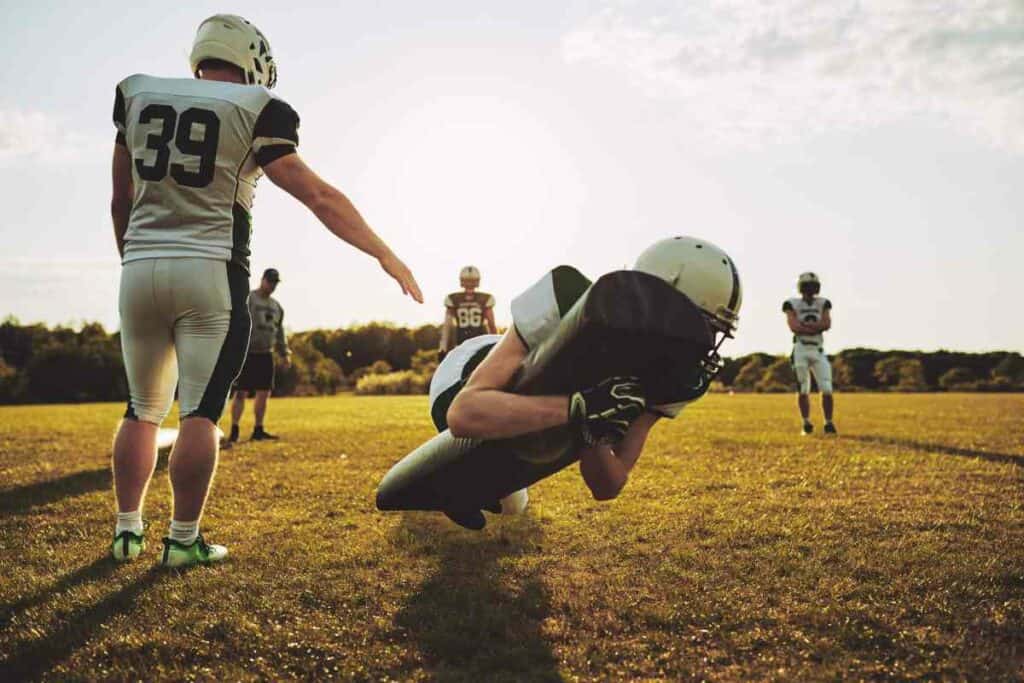
To get your Star defense humming, you’ll need focused practice time. Start with individual drills to hone specific skills.
Backpedal and break drills improve coverage skills. Tackling circuits are crucial – your Star needs to be a sure tackler in space.
Run fit drills help your Star learn to navigate traffic and find the ball carrier. Blitz timing drills are key for getting pressure on the quarterback.
Team periods should focus on communication. Your Star needs to be in sync with the rest of the defense. Run lots of different offensive looks to test your Star’s ability to read and react.
Don’t neglect conditioning. Your Star will be all over the field, so they need to be in top shape.
Benefits of the Star Defense
The star defense offers game-changing advantages that can elevate your team’s performance. It brings flexibility, coverage versatility, and exciting turnover opportunities to the field.
Enhancing Team Flexibility
The star defense puts a versatile player at its heart. This hybrid safety-linebacker role gives you incredible adaptability. You can shift between run and pass defense seamlessly.
Need to stop the run? Your star player moves up. Facing a passing threat? They drop back. This flexibility lets you react to offenses on the fly. You’re not locked into a rigid formation.
The star’s versatility means you can disguise your intentions. Offenses struggle to read your defense pre-snap. This keeps them guessing and disrupts their rhythm.
Improving Coverage Versatility
With a star defender, your coverage options explode. You can match up against various offensive formations without substituting.
Against spread offenses, your star drops into coverage. They can handle slot receivers or tight ends. Facing power run teams? The star creeps into the box as an extra linebacker.
This coverage flexibility is a huge asset. You can switch between man and zone schemes effortlessly. The star’s ability to cover multiple positions keeps offenses off-balance.
Your secondary becomes more dynamic too. Safeties can play more aggressively, knowing the star has their back.
Creating Turnover Opportunities
The star defense is a turnover machine. Your hybrid defender is always in position to make plays.
In the box, they can strip the ball from runners. In coverage, their unique skill set leads to interceptions. The star’s ability to blitz from various angles creates havoc and forced fumbles.
This defensive scheme puts pressure on quarterbacks. They face an unpredictable rush and struggle to read coverages. Rushed throws lead to picks.
Your entire defense feeds off this energy. The star’s playmaking ability is contagious. Soon, you’ll see turnovers coming from all positions.
Risks and Considerations
Running the star defense in college football comes with challenges. You need to be aware of potential weak spots and how offenses might try to exploit them. Let’s look at some key issues to watch out for.
Potential Vulnerabilities
The star defense can leave gaps if not executed properly. You might find your team exposed to:
- Quick slant passes that target the space between linebackers and safeties
- Power running plays that overload one side of the line
- Screens and draws that take advantage of aggressive blitzing
To counter these, you’ll need to drill your players on proper positioning and quick reads. Make sure your defensive backs can tackle well in open space. Your linebackers must be agile enough to drop into coverage or fill gaps against the run.
Misdirection and Play Action
Offenses love to use misdirection against aggressive defenses like the star. You’ll face:
- Play-action passes that freeze linebackers
- Reverses and end-arounds that catch defenders out of position
- RPOs (run-pass options) that put defenders in conflict
To combat this, your players need excellent discipline. Teach them to read their keys and not bite on fakes. Your safeties must be smart about when to commit to run support. Proper communication between all levels of the defense is crucial.
Conditioning and Stamina
The star defense demands a lot from your players physically. You’ll need to consider:
- The toll of constant blitzing on your front seven
- The stress on defensive backs who must cover large areas
- The mental fatigue from making quick decisions play after play
To address this, focus on intense conditioning in practice. Rotate players frequently to keep them fresh. Work on mental toughness drills to help your team stay sharp late in games. Remember, a tired defense is a vulnerable defense.
Impact on Player Development
The star defense shapes players in unique ways. It pushes them to grow both physically and mentally, creating well-rounded athletes ready for any challenge on the field.
Skill Set Expansion
In the star defense, players must master a wider range of skills. You’ll see defensive backs who can tackle like linebackers and rush the passer. Linebackers learn to cover receivers and read complex offensive schemes. This versatility is key in shutting down modern offenses.
The star position itself demands exceptional athleticism. You need speed to cover receivers, strength to take on blockers, and the instincts to read plays quickly. Players in this role often become some of the most complete defenders on the team.
Coaches love how the star defense pushes players out of their comfort zones. It forces them to develop skills they might not in traditional schemes. This makes them more valuable at the next level, whether that’s the NFL or other pro leagues.
Mental Acuity and Game Intelligence
The star defense isn’t just about physical skills. It’s a mental chess match. You’ll see players develop a deeper understanding of offensive strategies and how to counter them. They learn to read formations, anticipate plays, and make split-second decisions.
Communication becomes crucial in this system. Players must constantly adjust and relay information to teammates. This builds leadership skills and improves overall team cohesion.
The complexity of the star defense also sharpens players’ football IQ. They learn to think like coaches, understanding not just their role but how each piece fits into the larger strategy. This knowledge serves them well beyond their playing days, whether they pursue coaching or careers outside of football.
Strategic Variations
The star defense in college football offers flexibility to counter various offensive schemes. You can adapt this system to exploit opponents’ weaknesses and maximize your team’s strengths.
Adapting to Opposing Offenses
You can adjust the star defense to match different offensive looks. Against spread formations, you might shift your star player closer to the line of scrimmage. This allows you to apply more pressure on quick passes and outside runs.
When facing power run teams, you can move your star defender into the box. This gives you an extra body to stop the run while maintaining pass coverage abilities. Pattern-matching techniques let you seamlessly transition between run and pass defense.
For teams that use a lot of motion, your star player becomes crucial. They can track receivers across the formation, helping to diagnose plays quickly.
Hybrid Defenses and the Star Role
The star position blends elements of linebacker and defensive back roles. This hybrid nature allows you to create unique defensive packages.
You might use your star in a Cover 3 scheme, where they can drop into deep coverage or play underneath zones. In some situations, you could deploy them as an extra pass rusher, surprising the offense with blitzes from unexpected angles.
The versatility of the star role lets you disguise your defensive intentions. Pre-snap, the offense may struggle to identify whether you’re in man or zone coverage, creating hesitation and confusion.
By rotating your star and safeties, you can present different looks to the offense without changing personnel. This adaptability is a key strength of the star defense system.
Frequently Asked Questions
The star defense in college football brings unique advantages and challenges to the field. Teams must weigh strategic benefits against potential risks when implementing this scheme. Let’s explore some key aspects of this defensive configuration.
What are the strategic advantages of implementing a star defense in college football?
The star defense gives you flexibility to adapt quickly. You can shift between run and pass coverage without substitutions. This versatile strategy lets you keep offenses guessing. It also allows for creative blitz packages to pressure the quarterback.
How does the 3-3-5 defense compare to traditional defensive formations in NCAA football?
The 3-3-5 uses five defensive backs instead of four. You gain speed and coverage ability in the secondary. This helps defend spread offenses common in college. The trade-off is less size up front against power running teams.
What are the potential weaknesses and challenges faced by teams using a star defensive scheme?
Star defenses can struggle against physical run games. You may give up size in the box. Communication is crucial with so many moving parts. Players need high football IQ to execute properly. Facing hurry-up offenses can make adjustments difficult.
In what ways does the star defense adapt to counter the spread offense in modern college football?
The star aligns nicely against spread formations. You have extra defensive backs to match receivers. Your linebackers can play in space. Blitz packages become more unpredictable. This defensive approach aims to confuse spread quarterbacks and disrupt timing.
Can the star defense configuration create significant turnovers, and how does it achieve this?
Yes, the star defense can force turnovers. You have more players in passing lanes to create interceptions. Disguised coverages can bait quarterbacks into mistakes. Blitzes from multiple angles increase fumble chances. The key is creating confusion for the offense.
How has the evolution of the star defense impacted overall defensive strategies in college athletics?
The star defense has pushed innovation across college football. You see more hybrid players emerging to fit this scheme. Defenses are becoming more flexible overall. Coaches are emphasizing versatility in recruiting. The line between positions continues to blur as teams seek to counter modern offenses.